.637eac77.png&w=64&q=75)


Water leakage is among the most prevalent issues in residential construction works. Failure to handle the problem from the onset could result in weakened walls, compromised interior finishes, bad paint work, flooring complications, and ultimately decreased durability of the construction. Moisture damage could also spread over time and pose various issues such as weakening of structures, odor emission, mold formation, and even expensive repairs. In many cases, moisture problems arise from minor indications such as dampness and discoloration before developing into major problems.
Being aware of the factors that cause water leakage, allows property owners to avoid the costliness of repairing the damage through proper preventative measures. In most cases, moisture damage results from issues arising from the quality of construction, inadequate waterproofing of structures, poor drainage system design, and failure to maintain the structure.
The following are some of the commonly experienced moisture issues.
1. Roof and Terrace Leakage
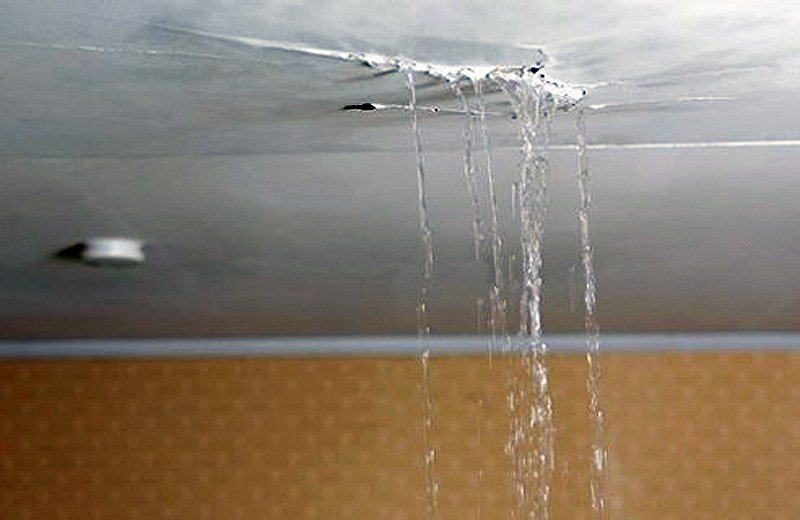
Roof areas are always out in the rain and sunlight. They have to deal with temperature changes. This can cause wall cracks to form or make the waterproof layers weaker over time. Poor slope design may also cause rainwater to stagnate, increasing the risk of water seepage into the slab.
When the roof is not protected properly when it is being built water can slowly get into the concrete. This can cause the ceilings to get damp. the paint to peel and even weaken the structure of the building
Solution:
The roof should be waterproofed correctly when the building is being constructed. Using quality waterproof coatings or membrane systems can really reduce the chances of water leakage. Roof areas should be checked regularly before and after the monsoon seasons to catch any problems early and prevent big issues with the roof areas later on. Proper roof waterproofing is very important to protect the roof areas and the building.
2. Wall Seepage
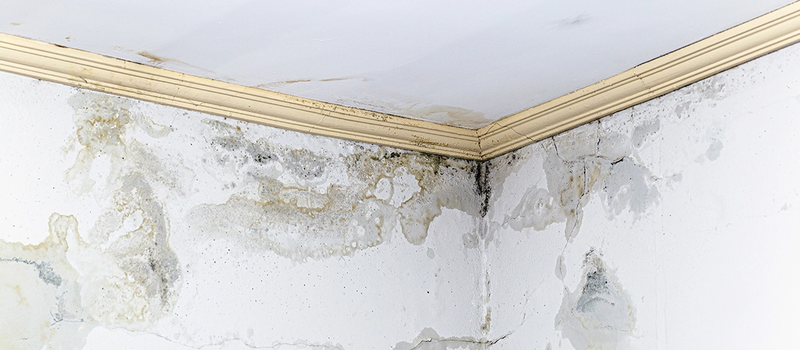
Rain water easily seeps through external walls, particularly when plaster work is of low quality and lacks protective painting. This results in water leakage, discolored areas, or even blistering of paints inside the walls making crack walls.
This problem usually arises due to open joints in walls, window frames, and even cracks in walls from which the water slowly enters.
Solution:
Application of water resistant paints or protective painting to external walls including Damp Proof Course can solve this issue. Also sealing of windows and door openings during construction, ensure good quality plastering and curing.
3. Crack Walls
Small cracks may arise due to changes in temperature or any movement in the construction. Although small, they pose risks as they enable water intrusion into the building. The problem of cracking may be intensified over time with the continuous introduction of moisture in the cracks. Neglecting this type of problem may affect aesthetics as well as the integrity of the building.
Solution:
Conduct regular checks on crack walls especially when seasons change. Small cracks should be sealed using suitable compounds while structural cracks need to undergo expert evaluation.
4. Bathroom and Plumbing Leaks
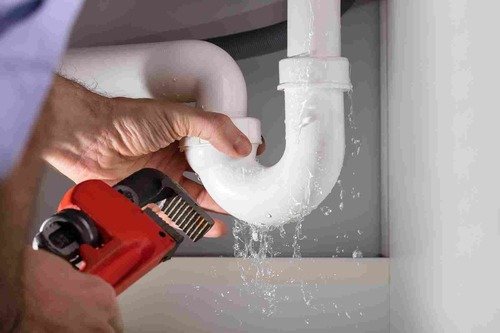
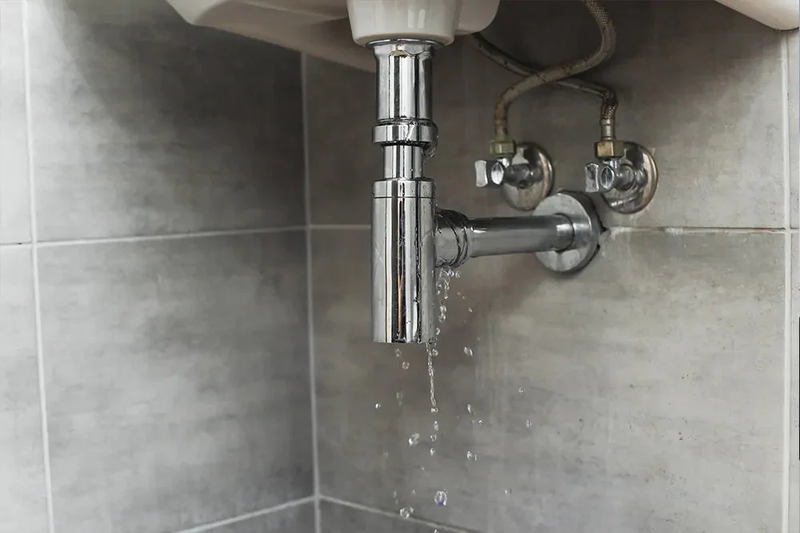
One of the prime causes of excessive internal moisture is bathroom leakage, which typically occurs through loose pipe fittings, broken joints, or improperly sealed sanitary fixtures. Most plumbing is concealed behind tiles or walls so that any leaks often go undetected until there are clear indications of dampness on the surface.
Leaks that continue over time may cause tile damage, degrade the wall plaster and water leakage.
Solution:
To reduce long term repair costs and identify hidden problems, use good quality materials for the installation of plumbing. Seal all pipes and drain areas correctly. Install a water leak detector device before you cut through any tiles or walls to find the problem. Also conduct regular maintenance checks.
5. Basement Moisture Issues
The basement is one of the most vulnerable elements due to its location near the soil surrounding it. Moisture from the ground may infiltrate into the structure without adequate damp proofing in the course of construction.
The design of drainage systems around the building may also cause excessive pressure on basement walls.
Result:
The problem may cause wet basements and mold formation, resulting in various issues.
Suggested solution:
It is essential to install appropriate damp proof measures during the process of laying the foundation.
6. Water Tank Overflow and Leakage
Tanks located overhead or underground could be a constant source of moisture due to small cracks or faulty valves.
Because of their frequent use, tanks should always be monitored carefully.
Solution:
Check tank connections regularly. Make sure that the overflow pipes are working correctly. It may also be helpful to place a water leak detector in proximity to storage facilities.
7. Poor Construction Quality
Several moisture problems arise even in the process of construction. Poorly cured concrete, poor quality of construction materials, improper joint sealing, or lack of waterproofing measures can lead to reoccurring problems down the road.
In case of failure to observe the necessary procedures, such problems of moisture can arise within just a few years of completion of the building.
Solution:
Emphasis should be put on using quality construction materials and applying the right processes during construction.
Final Thoughts
Water leakage can start small. Over time they can really affect the strength, appearance and comfort of a home. Whether it is damp spots, hidden plumbing issues or water seepage, in paying attention to these issues early on always makes a big difference. If you ignore signs like walls getting discolored, paint peeling off or wall cracks getting bigger it can lead to repairs later on.
The key to stopping long term damage is to do two things: build the home properly and take care of it regularly. If you plan everything correctly when you are building the home including the design, the materials you use and how you waterproof it you can really reduce the chances of having moisture problems over again.
Using waterproofing products like Dr. Fixit products can really help protect your home from moisture when you use them correctly during construction or renovation. At the time choosing a good construction partner like KONNBOT ensures that everything is done correctly from the foundation to the finishing work.
Technology is also very important these days. Things like water leak detector can help you find problems before they become big issues. Checking your home regularly before the rainy season can really help keep it safe and durable.
A home should be built to be strong and comfortable, for a time not just to look good. With KONNBOT you get good advice and the chances of having water leakage into your home go down a lot. And that means you can feel safe and happy in your home for many years.