.637eac77.png&w=64&q=75)


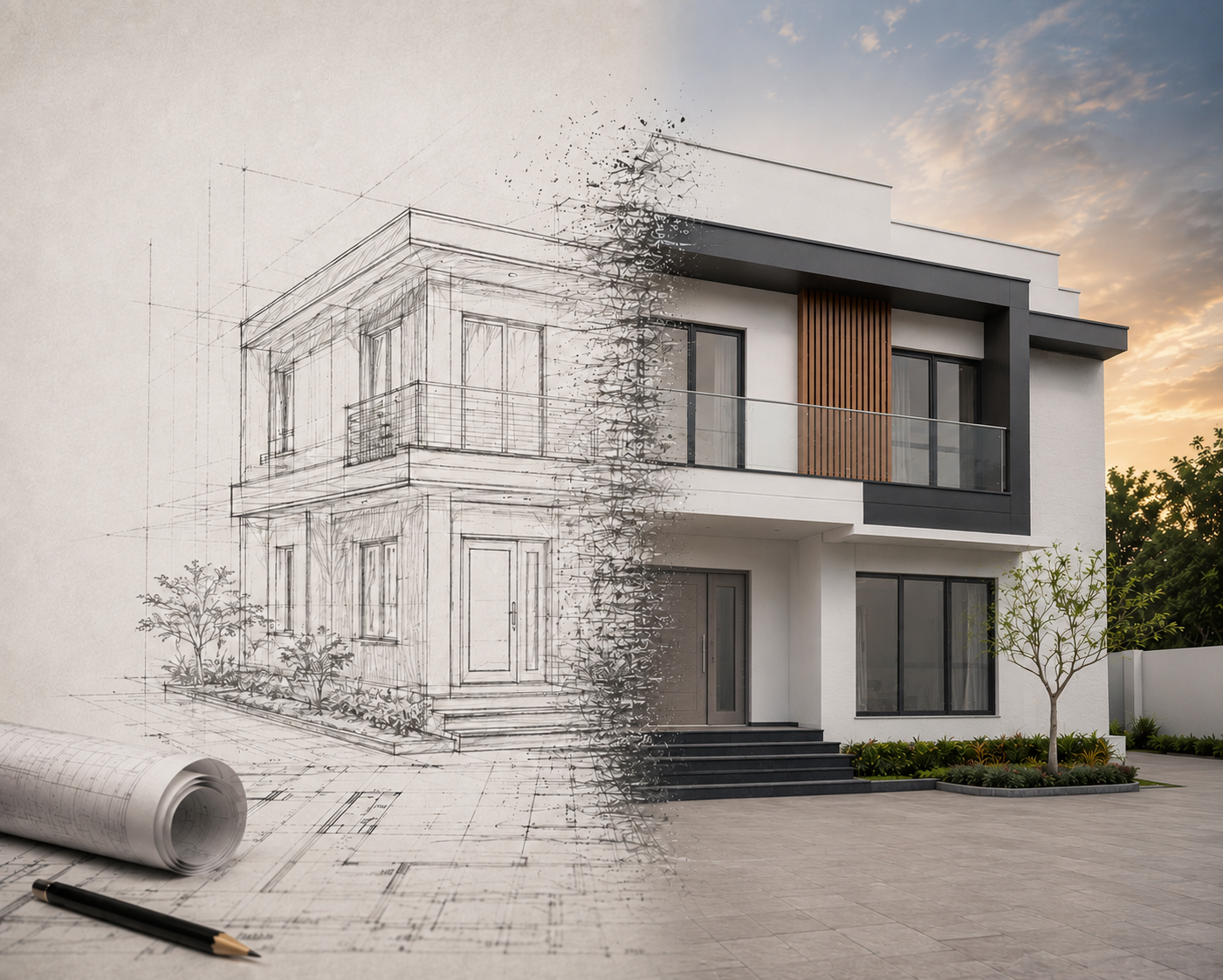
Building a house is a big deal to most people. When you buy a house that is already built, it is not the same as building one from scratch. Building a house means that you have to make a number of decisions. You have to think about the land and the structure of the house. You also have to think about the materials that you will use and how it is going to look when it is all done.
If you do not know what you are doing, you may make mistakes at the beginning of the building process that may cause problems later on. The problems may be with the structure of the house. It may also take longer to finish it than you thought it would. It may even cost more money than you thought it would.
The cost of building a house in India varies. It can vary from ₹1,500 to ₹2,500 per square feet, for a house. If you are going over budget by 10%, that is a lot of money. It is equal to 3 to 5 lakhs.
Therefore, you should have a plan before you start building a house. You should have a construction checklist to know what to do and when to do it. This is to help you build a house without any problems.
What Is a Construction Checklist?
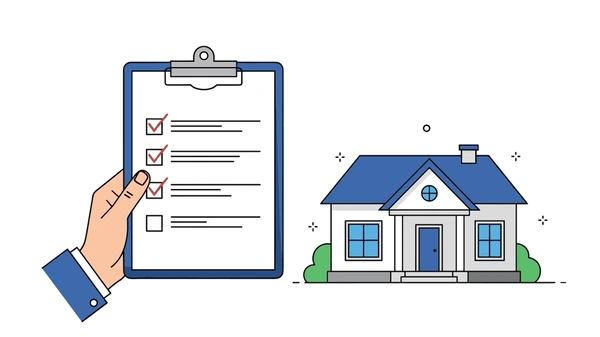
A construction checklist is a list of things to do, inspections and planning steps that need to be done before and during a building project. This helps ensure the building quality, safety and doesn't cost too much. It helps people who own homes, builders and contractors to keep track of stages. These stages include getting the site ready, choosing materials to do work and final inspections.
Using a checklist makes construction better and reduces mistakes that cost a lot of money. Studies in construction show that planning and inspecting can reduce rework costs by up to 30%.
This guide gives construction tips, key inspections and a list of things to check before and during construction. The goal is to help you avoid mistakes that cost much.
1. Start with a Clear Budget Plan
When one is building something, it is essential to have an idea of how much money is needed. It is common to find individuals who begin to build without an idea of money to be required for building. Such individuals often underestimate the amount to be needed. Such cases may cause problems later on. If one has a plan on how to budget before starting to build, it is easier to keep an eye on all aspects to ensure that everything goes well.
Construction Tips:
- It is wise to have a little money set apart to cater to any unexpected expenses.
- It is essential to have a list of all materials needed before commencing with the building.
- One should not forget to add money meant to buy materials like paint and flooring.
Having a budget plan is essential before starting to build anything. It ensures that one has enough money to cater to all aspects of building. It is essential to have a budget plan when building a house. It is wise to add a budget plan to your construction checklist to ensure that you build without any financial problems.
2. Conduct Soil Testing Before Foundation Work
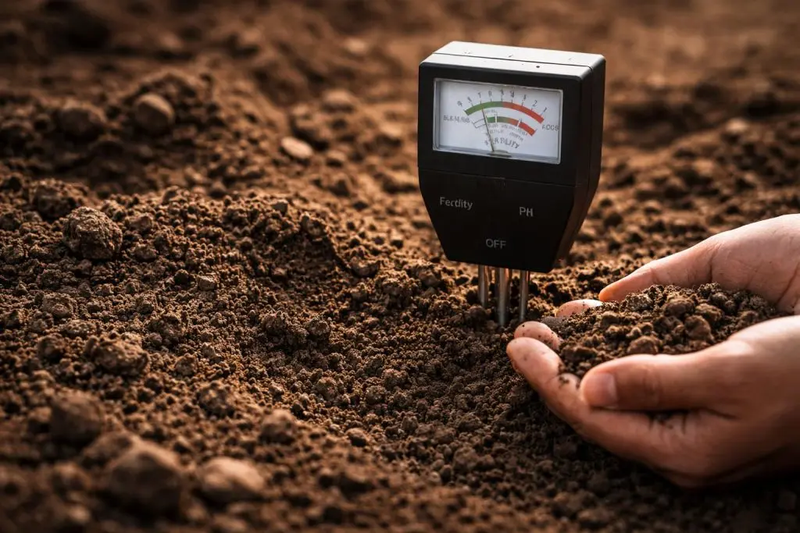
The strength of any structure really depends on its foundation. Many small residential projects skip soil testing just to save a thousand rupees.
Soil testing usually costs between ₹5,000 to ₹10,000. If you ignore it you might face problems like structural cracks, uneven settlement or moisture issues later on.
Here are things soil testing helps determine:
* Soil bearing capacity
* The type of foundation you need, like footing, raft or pile
* Drainage conditions on your site
* The risk of settlement or expansion of the soil
If you include soil testing in your construction checklist you can make sure your structural design is suitable for the site conditions.
3. Verify Legal Approvals and Documentation
When you are building a house or a building, it is a project that you have to ensure that you are doing everything right. If you start building a house or a building without getting all the approvals, you are likely to get into a lot of trouble. You might even end up paying a lot of fine or even tearing down what you had already built.
Some of the important papers that you are supposed to check include:
* An approved building plan from the authority
* Land title and ownership
* Utility permits
Getting legal compliance right from the start is of critical importance. Getting legal compliance right is what going to help you avoid problems and keep you safe. It is also important since it is going to save you a lot of money and time in the run.
4. Choose the Right Professional Team
Your architect, engineer and contractor are really important for the quality of your project.
Here are some practical construction tips:
* Check out the projects the professional team has done before
* Look at what previous clients say about them and read reviews
* Make sure you have a written agreement that covers when things will be done and what materials will be used
* Set payment milestones that match the different stages of construction
Your contractor, architect and structural engineer all play a role in making sure your project turns out right.
5. Ensure Material Quality and Certifications
We should make sure that the materials are of good quality and meet the standards. Materials account for a part of the cost of building something, which is around 60 to 65%. Hence, it is a very important aspect to look into.
If we use low grade materials, it may cost us less, but the thing we are building will not last for a long time, and we will have to spend more money to mend it.
Here are the materials that we should look into:
* Cement grade and brand
* TMT steel bars
* Bricks or blocks
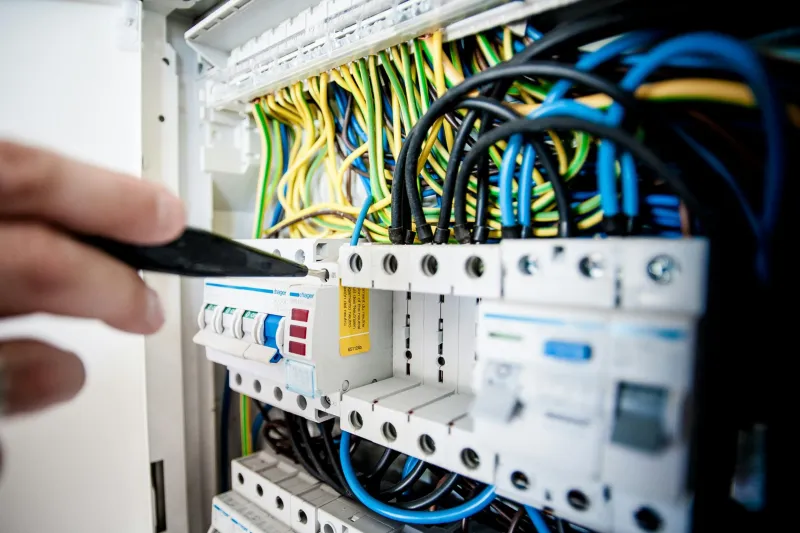
* Electrical wires and plumbing pipes
We should look for the ISI or BIS certification on the materials, which means they meet the quality standards. We should always look for this when we are inspecting a construction site.
The Material Quality and Certifications are very important. We should always include this in our site inspection checklist.
6. Plan Drainage, Waterproofing, and Rainwater Flow
Water damage is really bad for buildings. It happens when water does not drain properly. This can cause water to collect, leading to damp walls and building damage over time.
Important Planning Points :
- Make sure terraces and balconies are sloped correctly so water can run off.
- Provide proper drainage outlets for rainwater.
- The ground outside should slope away from the building so water does not get trapped.
- Use waterproofing in places, like bathrooms and terraces to keep them dry.
Proper water management significantly improves the lifespan of the structure.
7. Check Ventilation and Natural Lighting
If buildings are not designed with ventilation and natural lighting, it can be really uncomfortable and expensive to heat and cool them.
A designed building should have some important things, like:
- Cross ventilation between rooms
- Adequate window placement
- Natural daylight access in living areas
- Ventilation shafts, in bathrooms and kitchens
If we ignore these things it can make our energy bills go up and make the inside of our buildings feel really bad.

8. Prepare a Pre Handover Snagging List
Before finally handing over the project, it is necessary to prepare a snag list to check for defects in the construction. This process checks to see if the quality of construction meets the expectations of the builders.
Typical Snagging List Items
* Cracks in the walls or plaster
* Tiles that sound hollow when tapped or tiles that are loose
* Water leaking from the pipes or water pressure too low
* Windows not aligned correctly
* Electrical switches and wires of poor quality
* Paint work not done well, or damp patches on the wall
According to those who know about construction, we should check everything, since there are many problems with the construction of the house, but they are not revealed until the construction is finished. We should ensure that we find all the problems with the construction, like those in the above list, before it is finally handed over.
9. Plan for Future Expansion and Technology
When building, one should consider what one might need in the future. These small considerations during the building process can help reduce costs when needed.
Future-Ready Features:
* We should have points for additional appliances,
* Provision for solar panels
* Rainwater harvesting systems
* Space for additional floors or rooms.
Thinking about the future when we build makes the building better and more adaptable for expansion and technology. It is also more sustainable.
Conclusion
Building a home requires careful planning and constant supervision. A well prepared construction checklist can be very helpful for homeowners, allowing them to track the work quality as well as the expenses involved.
From soil testing and obtaining the necessary approvals to checking construction materials and identifying issues that need to be fixed, every stage of home construction requires close attention. Following the right building practices can help avoid costly mistakes and ensure that your home remains strong, durable, and valuable for years to come.
When you understand the key aspects of the construction process, managing a home building project becomes far easier and more efficient