.637eac77.png&w=64&q=75)


Building a home is one of the most important decisions in life and planning it properly has a great role in ensuring one’s comfort and happiness in the future. Vastu Shastra, the ancient Indian science of architecture, provides practical guidelines to align a house with natural energies.
If homeowners follow Vastu tips during house construction, they can get balanced living spaces that promote health, prosperity, and peace. This guide explores the best Vastu tips to help you build a harmonious and positive home.
The Philosophy of Vastu Shastra in Home Design
A house is more than just a dwelling it is a meeting place of emotions, thoughts and energies. Modern architecture is all about convenience and aesthetics but harmony is achieved when a house is designed in sync with natural elements. Vastu Shastra is an approach that relates architecture with universal energies to bring about harmony in design.
Vastu Shastra is based on ancient Indian knowledge and aims at increasing comfort, stability and positivity. If done properly during the construction phase, it can help in designing a living space that promotes happiness and growth.
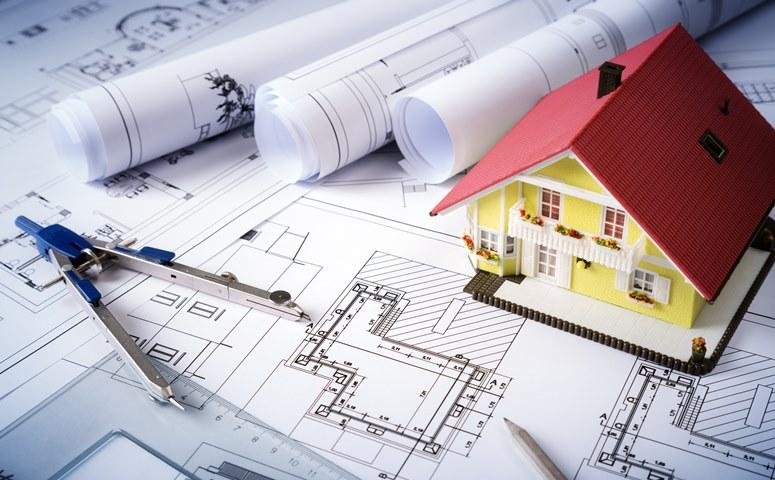
Vastu Shastra is an architecture that works on the interaction of natural elements and the designed space. The word Vastu signifies the physical structure, while Shastra denotes systematic knowledge. It is a guide that helps buildings to be in tune with the universal energies.
Vastu Shastra: The Science Behind Balanced Living
This science is based on the five elements: Earth, Water, Fire, Air and Space, which are associated with certain directions. A Vastu house ensures smooth flow of energies which is reflected in one’s day to day life. Airflow, lighting, and temperature of the environment are in control when the house is properly aligned. It not only provides physical comfort but also emotional balance, efficiency, and relationship with people.
Vastu science is flexible and can be modified as per one’s needs. If there are not changes possible in the structure, there are corrective techniques that could be in use to balance the energies effectively. Vastu based planning amplifies natural light and ventilation, hence strengthening a healthier indoor environment. This balance reduces stress, enhances sleep quality and one’s physical and mental health.
Advantages of Constructing a Home as per Vastu
- Financial Stability and Growth - Proper alignment of entrances and salient areas gives way to smooth financial transactions. Proper alignment of entrances and other important areas ensures smooth financial transactions.
- Harmonious Family Relationships - An emotional state of stability emanates from a well balanced flow of energy in the house. A well designed living cum sleeping space eliminates conflicts, and is conducive to bonding amongst family members.
- Enhanced Focus and Mental Clarity - Vastu friendly study and working areas contribute to focus, creativity, and confidence. This helps children and working people.
- Efficient Use of Natural Resources - Vastu principles are concerned with efficient utilization of sunlight and air, thereby cutting down on the use of artificial lighting and cooling. This form energy efficient and eco friendly living spaces.
Understanding Directions and Energy Zones
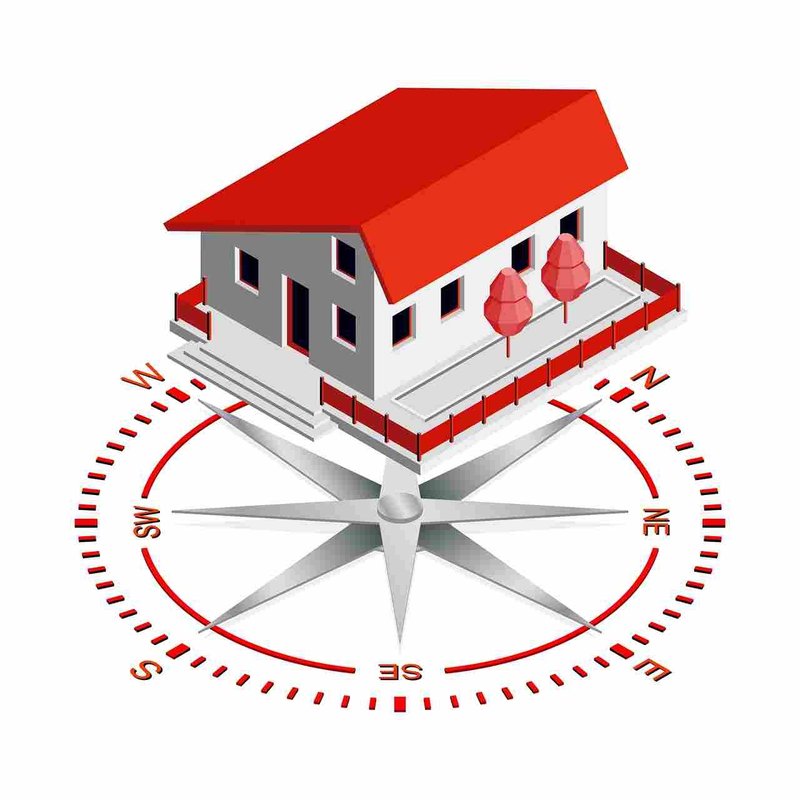
The Vastu Chakra is vital in Vastu planning that divides a building into nine zones of energy. Each zone governs a different aspect of life that must be followed in a certain way.
- Brahmasthan (Center) - The center zone stands for harmonic and universal energy. This zone needs to be left open to avoid heavy constructions to ensure the smooth flow of energy in the entire house.
- Agni Zone (Southeast) - This fire dominated zone controls energy, metabolism and change. This zone is best suited for kitchens and activities that produce heat.
- Prithvi Zone (South) - This earth dominant zone is responsible for stability, power, and grounding. Heavy construction suits this zone best.
- Varun Zone (North) - This water dominated zone is in charge of financial development and career progress.
- Vayu Zone (West) - This air element dominated zone is associated with movement, intelligence, and communication. In this zone, ventilation is vital.
- Ishanya Zone (Northeast) - The most favorable zone, associated with spirituality and clarity in mind. This zone requires light, airy and uncluttered space.
- Nairutya Zone (Southwest) - Supports and protection. Most suited for master bedrooms and heavy furniture.
- Vaayvya Zone (Northwest) - Regulates creativity, social interactions and transformations. Guest rooms or rooms meant for creating art could best make use of the color.
- Aagneya Zone (Southeast) - Represents the fire element and governs energy, action, and transformation. When properly aligned, it enhances motivation, productivity, and enthusiasm, making it ideal for kitchens and activities that require dynamic energy.
Step-by-Step Vastu Planning for House Construction
- Choosing the Right Plot - The most desirable plots are those that are square or rectangular in their shape. It is also believed that plots sloping towards the North or Northeast are advantageous while irregular boundary plots can be avoided.
- Designing the Main Entrance - The main entrance of the house affects the flow of energy. North, East, and Northeast-facing entrances are always preferable. A clean, bright, and unobstructed entrance welcomes positivity.
- Designing the Living Space - Living spaces should be designed in the North or East corners. Seating arrangements should facilitate comfort and interaction, and this can be achieved with soft colors and lighting.
- Designing the Dining Space - Dining spaces should facilitate harmony. West-facing dining spaces near the kitchen are always preferable, and simple furniture and warm lighting can be used.
- Kitchen Design & Fire Balance - The kitchen should be designed in the Southeast corner. Cooking while facing the East direction is always advantageous, and proper positioning of water bodies maintains balance.
- Designing Prayer & Meditation Rooms - Prayer spaces designed in the Northeast corner help in spiritual development. The design should be simple, calm, and unadorned.
- Bedroom Zoning for Sleep & Stability - Master bedroom in the Southwest, children’s bedrooms in the North or East, guest bedrooms in the Northwest and no reflective surfaces facing beds and heavy overhead beams.
- Washrooms & Drainage Planning - Washrooms should be located in the West or Northwest with proper ventilation and drainage slopes.
- Staircase Positioning - Staircases should rise clockwise and be placed in the South or West. Avoid spiral designs and poor lighting.
- Elevator Placement Considerations - Elevators are best located in the South, West, or Southwest. Avoid placing them in the center or Northeast. If unavoidable, balancing remedies can be used.
- Outdoor Extensions: Balconies & Terraces - Balconies facing North or East receive beneficial sunlight. Keep them light, open, and clutter free, with plants placed carefully.
- Indoor Greenery for Positive Energy - Plants placed in the North or East enhance freshness and positivity. Healthy plants like Tulsi, Money Plant, and Bamboo work best indoors.
Evaluating Whether Your Home Is Vastu Aligned
The process of Vastu Shastra alignment starts with analyzing the flow of energy in your house. It is necessary to check if your house gets sufficient natural light and ventilation based on the direction in which the rooms are located. Also, analyzing the location of important areas like the entrance, kitchen, bedrooms, and prayer room in accordance with Vastu Shastra directions is essential. Apart from the house structure, the health and happiness of your family members can be a good indicator of a properly aligned house. Unhappiness, discomfort, and imbalance in life can be an indication of the need for Vastu Shastra corrections.
Sustaining Positive Energy Over Time
However, the task of maintaining Vastu balance does not end with the construction process. This can be achieved by cleaning the house regularly to avoid the stagnation of energy, particularly in the Northeast and center of the house. Changes in seasons, like enhancing air circulation during summer and making the most of sunlight during winter, also help in maintaining a fresh and balanced flow of energy. Additionally, careful selection of home decor, like the use of light colors, natural materials, and plants, can also boost positivity.
Bringing Ancient Vastu Wisdom into Modern Living with KONNBOT
Just as Vastu emphasizes the importance of harmonizing a house with natural energies for optimal balance and efficiency, KONNBOT embodies the same ideology in contemporary living solutions. Through the incorporation of intelligent planning, automation, and energy efficient solutions, KONNBOT enables homeowners to design spaces that work in perfect harmony with the environment. Whether it is the optimization of lighting, airflow, or everyday convenience, KONNBOT supports the ideology of Vastu by applying ancient wisdom to smart, modern living.
Conclusion
Designing a house as per Vastu Shastra principles will thus help in creating a well-balanced living space that promotes health, happiness, and prosperity. By integrating these ancient concepts with the latest smart living concepts from KONNBOT, homes can be made more efficient, comfortable, and responsive to the needs of the residents. By merging the knowledge of Vastu with smart technology, KONNBOT thus allows residents to design spaces that are not only in harmony with nature but also future-ready, thus providing the perfect blend of tradition and modern living.