.637eac77.png&w=64&q=75)


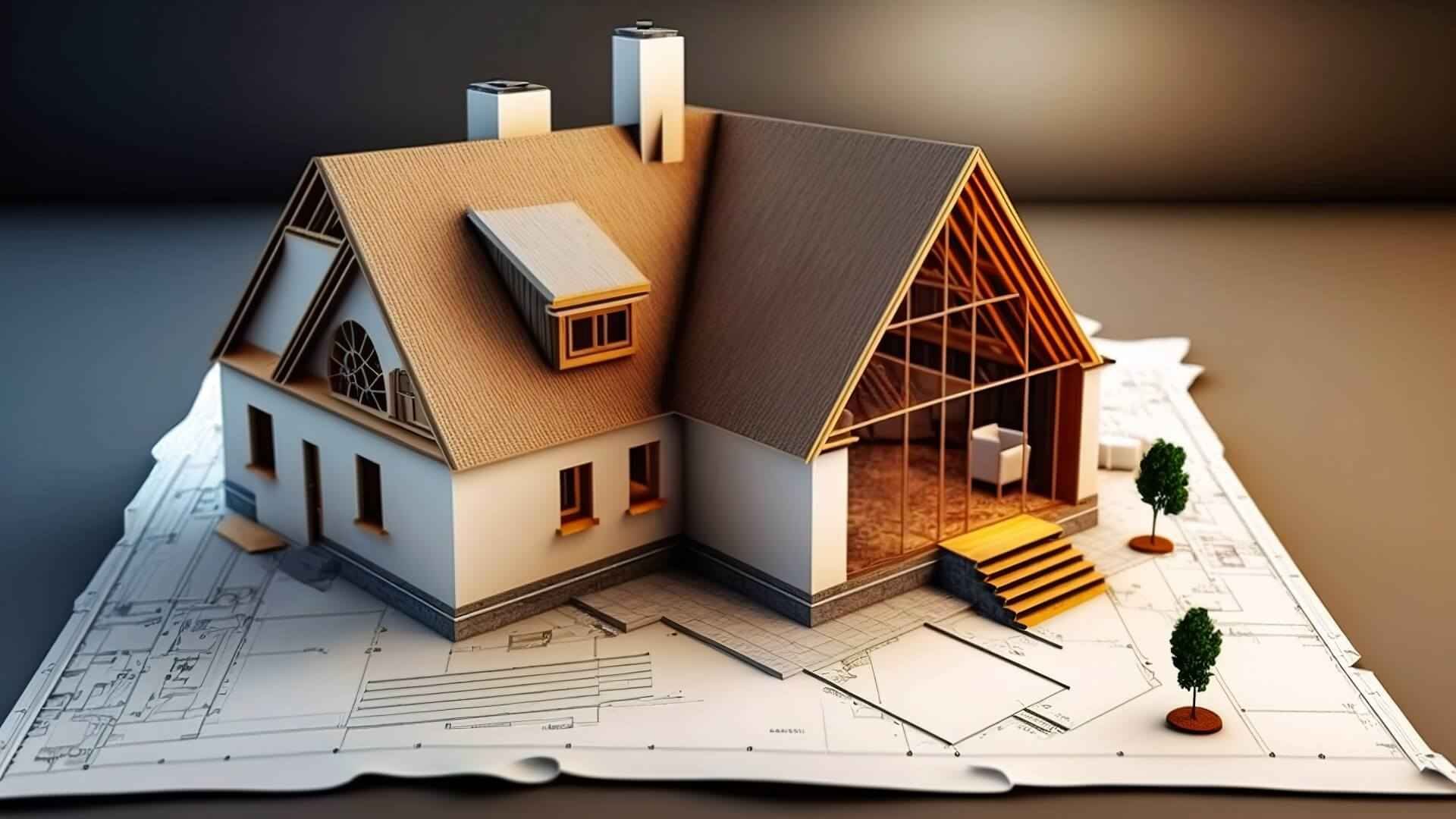
Building a home is one of the biggest decisions in someone's life and one of the first questions every new homeowner will ask is; "How long does building a new home actually take?" Many people will think building a new home will happen quickly after construction commences. The truth is, there are many steps involved in the building process, and it is a much more complex and systematic process than people generally believe. The duration of building a home varies based on numerous factors including the quality of planning, communication between teams, weather conditions, approvals and the speed at which each of those phases is performed.
With proper planning and input from appropriate professionals, there is no doubt you can successfully and efficiently build home with the highest possible quality and in accordance with your budget. The average timeframe for a regular single family home is between 9 - 15 months but it varies significantly from project to project based on the complexity of the project and speed of decision making.
Understanding House Construction Time: The Big Picture
Total house construction time is not limited to onsite activities only. The phases run from the initial planning and design of the building, covering approvals, to the execution, finishing, and final handover stages. Many delays happen as a result of ignorance of the vital role planning and professional help takes during the early stages of the process. This increases building time as well as costs.
Working with an experienced architect right from the start plays a key role in controlling construction timelines. In this case, working with an experienced architect from the initial stages is critical in controlling time schedules for constructions. The construction process should be organized around realistic scheduling, proper coordination of all stakeholders, quality control, and minimizing costs without using shortcuts. It means that a homeowner can build homes with the least delays and uncertainty if all these elements are in place.
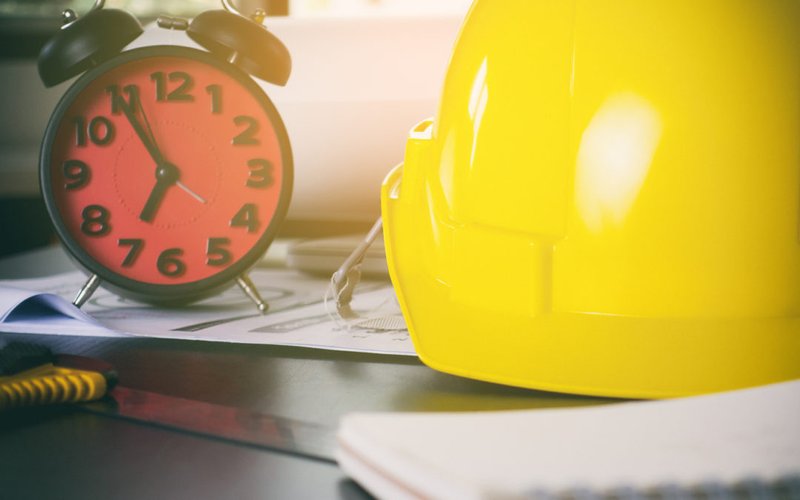
Stage by Stage Timeline to Build a House
Knowing the distribution of time in various stages of construction helps in managing expectations.
1. Planning, design, and budgeting
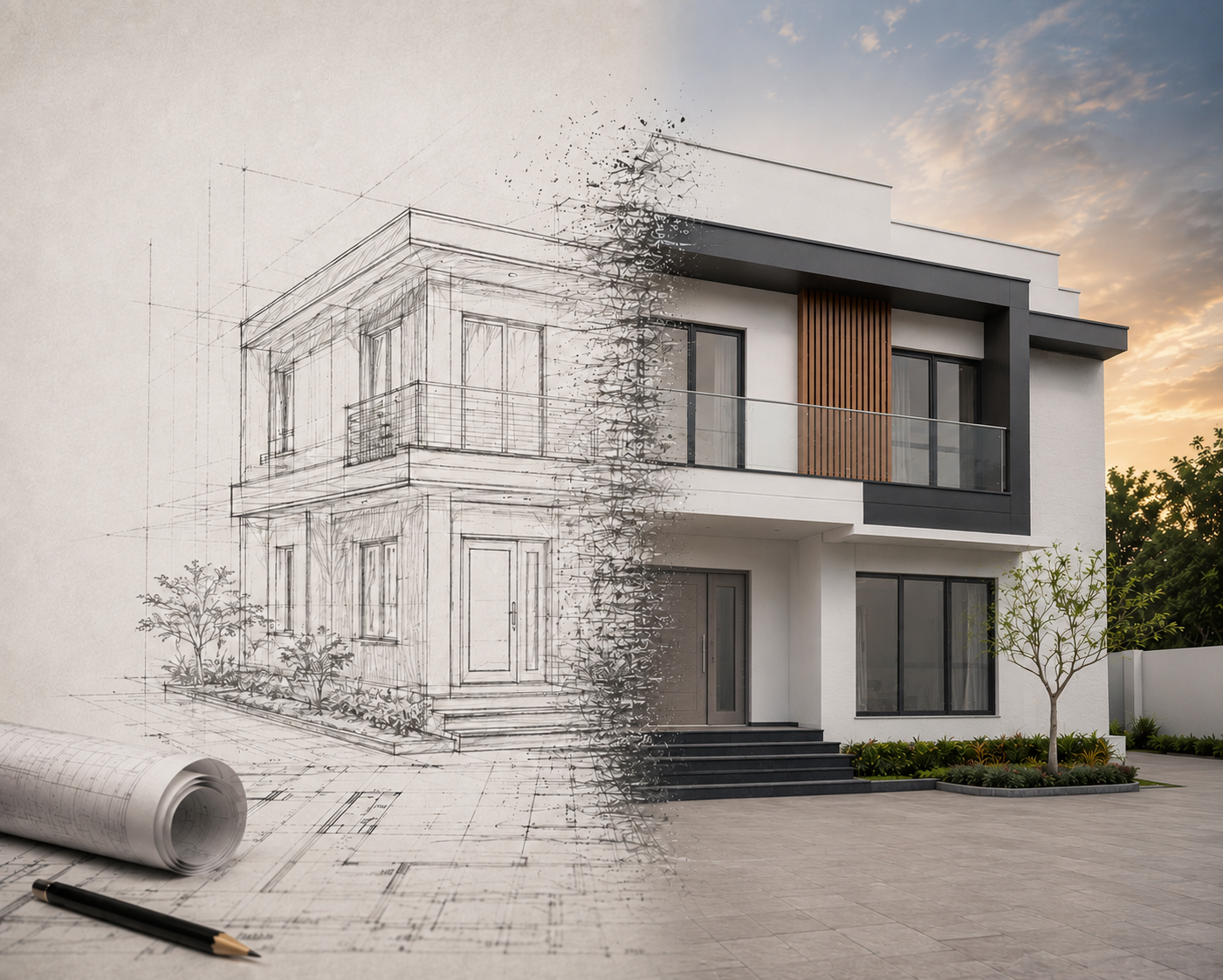
This lays the foundation for the entire construction journey. In this stage, drawings, layouts, and design concepts are prepared by the architect based on the homeowner’s requirements, site condition, and budget. Rushing this phase leads to design changes during construction, increased building time and increased costs associated with reworks and wastage of materials. With a well-planned design, execution on site is seamless and cost minimization strategies can be effectively implemented for long-term use through the reduction of errors as well as design and implementation delays.
Estimated Time: 1-3 months
2. Approvals and Legal Permissions
Approvals from the local authorities are mandatory before the construction can commence. Their documentation might be incomplete, inaccurate, or otherwise complicate the approval process, which directly impacts house construction time. Such delays may affect house construction time significantly. It is therefore important, to begin with, the approval process and engage professionals familiar with the process to mitigate unnecessary delays and have realistic expectations with the time frame for house construction. Time wise, this stage lasts one to two months (can coincide with the design stage).
3. Site Preparation and Foundation Work
Site clearing and foundation work commence after all the approvals have been secured. Excavation depth, weather, and soil conditions are critical factors at this point. Building strong foundations are highly required to construct safe and durable houses. When rushing is done in this phase, it may decrease building time in the short term, but structural problems caused may increase repair costs later on, thus interfering with cost minimization efforts.
Estimated time 1 – 2 months
4. Structural Construction (Skeleton of the House)
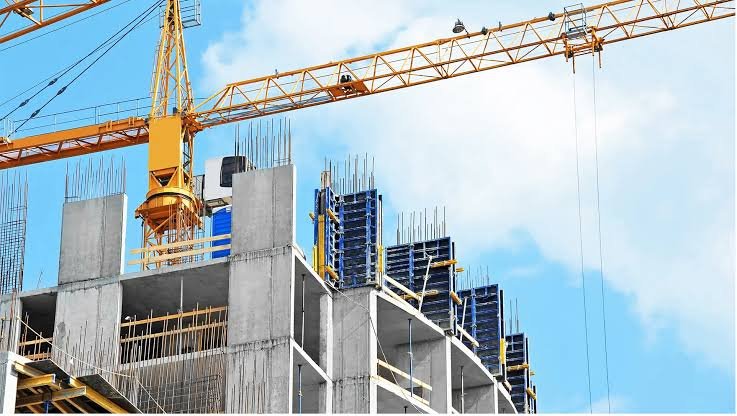
It has the most time-consuming activities and provides the bulk of the house’s structure. The work involves the columns, beams, slab casting, and brickwork. Structural delays emanate from poor coordination of contractors, a lack of workforce, or disruptions in material delivery.
Scheduling, supervision, and coordination properly help to maintain quality alongside house construction time under control and proper progress.
Estimated Time: 4-5 months
5. Services - Electrical, Plumbing and HVAC
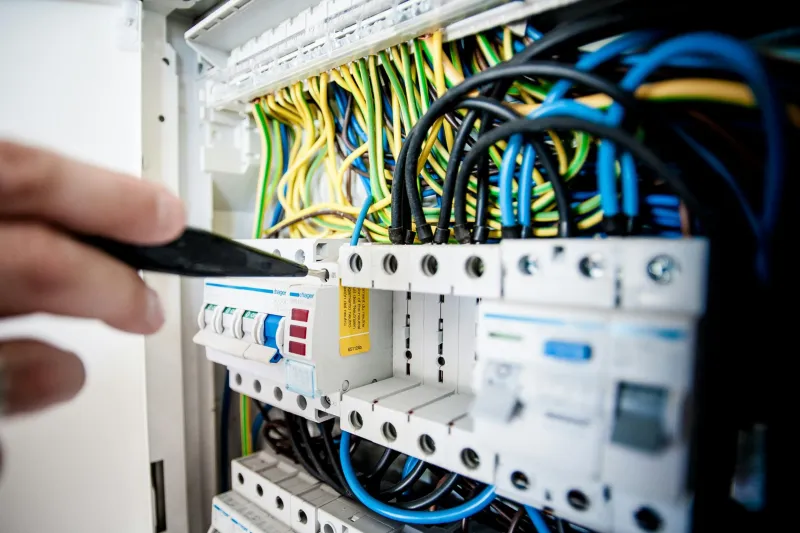
Once the structure is built, the installation of internal services such as electrical wiring, plumbing, and HVAC occurs. This stage tends to be overlooked however has a large impact on total building time. If decisions are made late or changes made regularly can cause delays on site and increase costs.
Having the architect and consultants planning early in conjunction with the previous phase will assist with execution in an efficient, reduce and/or eliminate rework and ultimately allow for better cost savings.
This phase will take approx. 2-3 months.
6. Finishing and Interiors
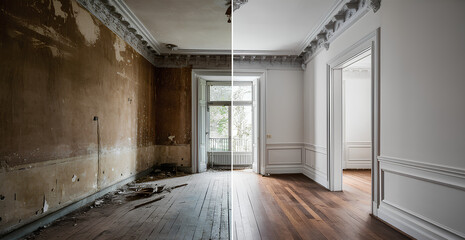
Finishing is the final phase of the house and includes things like plastering, flooring, painting, door and window installation and fixtures (e.g., taps, light fittings, etc.). Generally this phase will take longer than expected because of the number of different trades working together - delays often occur because of late material selections or workmanship issues.
Finishing delays will be one of the biggest causes of extended time to complete a new house, so early planning and making decisions is vital.
This phase will take approx. 3-6 months.
7. Handover and Final Inspection
To finalize your home, you're required to conduct final inspections, loss tests and make any corrections; do not rush this process in order to speed up the building time frame, as it may cause defects that will need costly repairs. As an owner, you want to have a proper handover of the home to ensure that the home is safe, functional and built to quality standards.
Estimated Time Period: 2-4 weeks
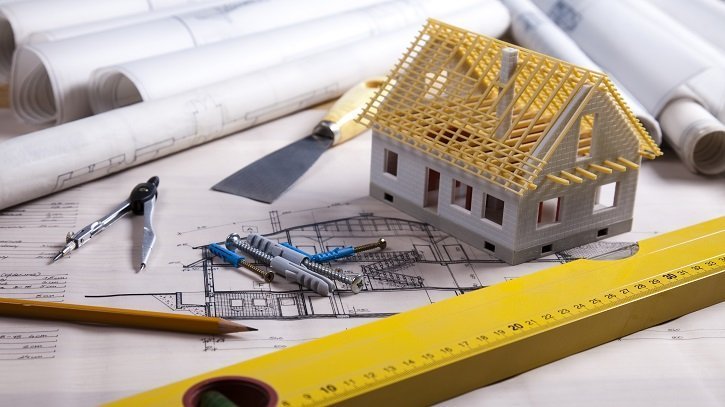
What Factors Increase House Construction Time?
Inadequate management of various construction challenges will increase construction time if they are not addressed from the start of projects.
- Poor planning is one of the most common reasons projects are delayed; particularly, decisions made on a project site during construction lead to re-work and a longer construction time. Effective planning helps streamline the construction process and get all the activities moving in the same direction.
- Inadequate drawings and incomplete designs can also create delays in construction progress. When missing details, contractors have to constantly seek clarification during their work, which slows down the rate of execution of tasks. By working with an experienced architectural firm, homeowners benefit from clearer drawings and fewer mistakes, thus leading to a more efficient process for building home.
- Late material selection is another major contributor to construction delays. If materials aren't selected in a timely manner, work may come to a standstill while waiting for approvals or deliveries of materials; this results in increased time and costs to build a home. Early planning reduces delays and costs associated with poor execution.
- Weather conditions, labor shortages, frequent changes to the design of the home, and a lack of effective site supervision are additional factors that can further delay house construction time. If these types of challenges are addressed by coordinating and monitoring construction teams during the construction process, it helps homeowners complete their homes faster while maintaining the quality of their homes and cost minimization associated with them.
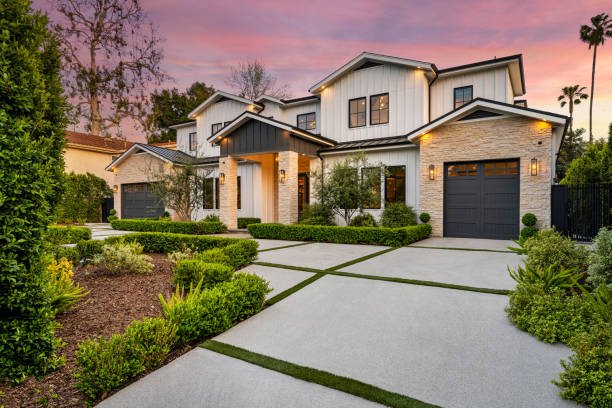
Can You Build a House in One Year?
It is indeed possible to build homes in a year if a thorough plan has been established that is executed with discipline. A timeliness of one year necessitates having defined goals and a realistic schedule, as well as a detailed plan developed prior to commencing project. Without this framework, the project is likely to run into delays; as a result, the construction time may take longer than it should.
One of the biggest contributors to getting a house built quickly is having an experienced architect. Effective drawings, completed design decisions, and decisions regarding long lead time materials prior to the start of a project can help minimize building changes that typically create longer durations. If the design is decided on at the beginning of the project, then it will typically be more efficient and will allow the contractor to work in a more predictable manner.
Successful management and routine monitoring are also critical. Successful construction is achieved by creating good communication among all parties involved in the process, obtaining materials on time, and implementing quality assurance and control. Therefore, through robust planning and cost minimization, the homeowner can successfully build home to a high quality and on a timely basis.
KONNBOT has experience developing residential building projects through careful planning and continued monitoring throughout the project; home builders were able to complete their new homes within scheduled timeframes. Coordination among contractors and architects was intended to achieve quicker completions of these projects.
To see similar project types managed by KONNBOT, click here:
How Construction Management Reduces Building Time
✔ Structured Project Scheduling
- Develops accurate timelines for every construction activity
- Eliminates downtime and overlap
- Helps manage the total time for building a house
✔ Strong Contractor Coordination
- Maintains coordinated work among various contractors in an efficient manner.
- Reduces the chances of delay due to miscommunication
- Enables continued progress of all the activities
✔ Timely Material Planning & Procurement
- Properly Planned Material Needs Before They Are Needed
- Prevents Material Shortages Causing Construction Delays
- Supports Cost Reduction And Faster Construction
✔ Continuous Quality Control
- Early Identification Of Mistakes And Eliminating Rework
- Maintaining Quality Throughout The Entire Construction Process
- Avoiding Extending Timeframe Of House Construction That Should Not Have Been Extended
✔ Regular Site Monitoring & Reporting
- Identify Any Issues That May Delay Construction Before They Happen
- Provide Homeowners With Clarity Through The House Building Process
✔ Better Decision Making with Professional Support
- Works side by side with the architect/consultants (sub-contractors) on all projects
- Facilitates faster approvals and clarification of problems/issues within the design
- Assists in keeping the job moving forward in a timely manner and on a controlled schedule.
✔ Cost Minimization Without Compromising Speed
- Eliminates waste, costly re-work and idle time of workers
- Keeps the budget and construction timeline in sync
- Provides a balance between speed, quality and cost savings
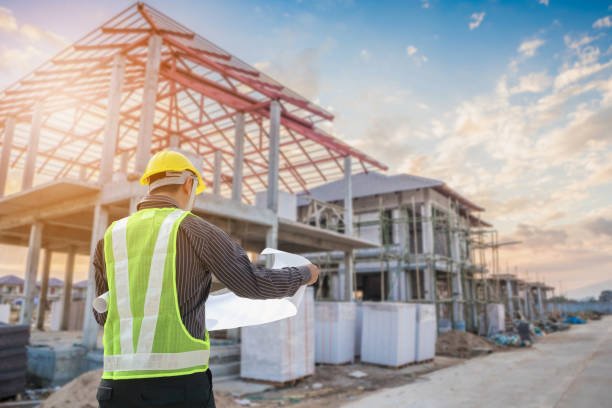
Cost Minimization vs Faster Construction
Many people assume that faster construction equals higher cost, but that is not the case every time. Usually, the budget increases because of delays, having to redo work, or unorganized coordination. Disrupting work increases labor costs and overhead costs, resulting in extending house construction time and overall building time
The best way to balance speed and cost minimization is through smart planning. Working with an architect who has experience helps to finalize designs before construction begins to avoid making changes during the construction process and incur rework. Efficient scheduling for materials allows the teams to complete their work without having to stop, thus keeping steady progress.
Efficient construction practices focus on performing the work properly the first time. Frequent supervision and quality control checks help reduce reliance on contractors to complete the project quickly while also keeping costs on the budget. A homeowner can have a lower cost for his/her home by following an efficient approach and earn fast project delivery and reduce costs.
Final Thoughts
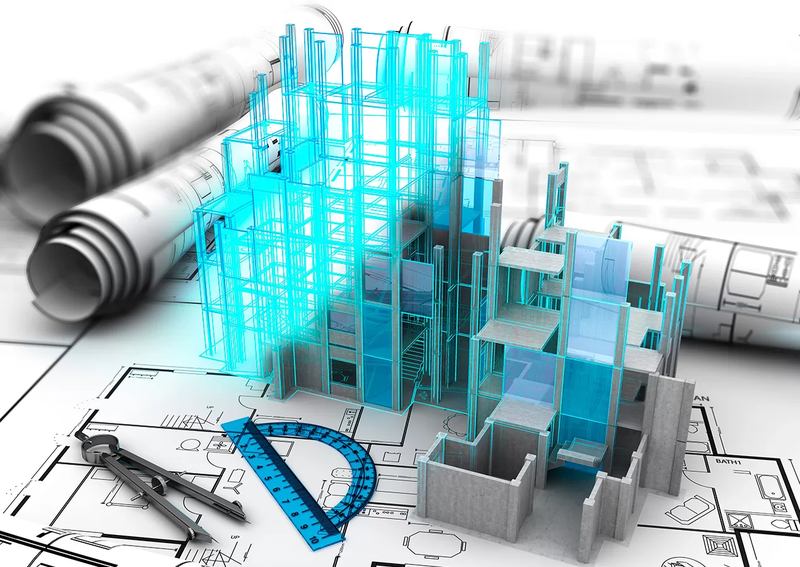
So, how long does building a house actually take? Depending on the quality of the planning, the effectiveness of the execution, and prompt decision making, the realistic response is 9 to 18 months. The total amount of time needed to build a house is directly impacted by each step of the process, from design and approvals to execution and completion. Reducing delays, limiting rework, and supporting efficient cost minimization can be achieved by closely collaborating with an experienced architect and adhering to structured management systems. Homeowners can construct homes with more assurance, clarity, and long term value when projects are managed by skilled experts and follow defined procedures.
Visit KONNBOT's official website at https://www.konnbot.com for professional advice, insights, and support during your home building journey.