.637eac77.png&w=64&q=75)


The way we live is changing—quietly, steadily, and permanently. By 2026, lifestyle shifts that once felt optional or idealistic will become everyday expectations. From how we design our homes to how we consume resources, lifestyle trends in 2026 will reflect a deeper awareness of impact, efficiency, and long-term value.
This shift is not driven by trends alone. It is shaped by climate realities, rising costs, technological maturity, and a growing desire for lives that are not just convenient—but responsible. The future will not be defined by radical change, but by everyday habits that will redefine how we live.
How We Will Live in 2026: A Subtle but Powerful Shift
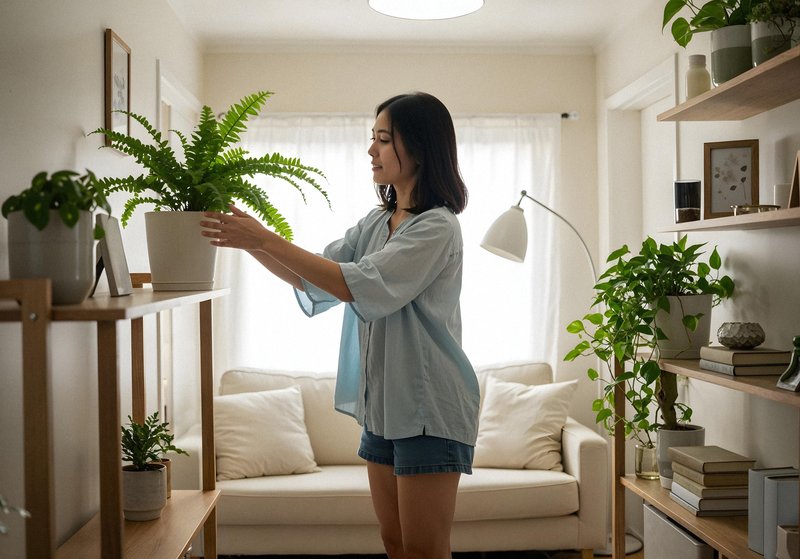
By 2026, daily life will feel more intentional. People will question excess, rethink consumption, and prioritize choices that deliver lasting value. Homes will be designed to consume less energy, routines will favor efficiency over indulgence, and convenience will increasingly be measured against sustainability.
These changes won’t feel restrictive. Instead, they’ll feel smarter—driven by the understanding that small decisions, repeated daily, shape not just individual lifestyles but entire communities.
Eco Friendly Habits Will Become the Default

What we currently label as eco friendly habits will soon feel standard. Waste reduction, energy awareness, and responsible sourcing will no longer be “good to have”—they will be expected.
In everyday life, this means:
- Homes designed to reduce energy loss rather than compensate for it
- Products chosen for durability, not disposability
- Reduced reliance on wasteful packaging and short-term fixes
By 2026, sustainability won’t be performative. It will be practical, integrated, and often invisible—built into how things are designed and used.
The Rise of Conscious, Everyday Living
One of the defining lifestyle trends of 2026 will be conscious decision-making at a micro level. People will increasingly ask:
- Do I really need this?
- What does this choice cost in the long run?
- Is this aligned with how I want to live?
These questions will shape future lifestyle choices, influencing how people furnish their homes, plan their spaces, and structure their routines. Conscious living is not about doing more—it’s about doing better, consistently.
Why Sustainable Daily Habits Matter More Than Big Gestures
Large sustainability initiatives matter—but it’s sustainable daily habits that create lasting impact. Turning off unused systems, choosing long-life materials, designing spaces that adapt rather than replace—these small actions accumulate.
By 2026, the most resilient lifestyles will be those built around:
- Efficiency rather than excess
- Longevity rather than speed
- Thoughtful design rather than constant upgrades
This approach doesn’t just reduce environmental impact—it improves quality of life.
Homes Will Reflect Values, Not Just Aesthetics
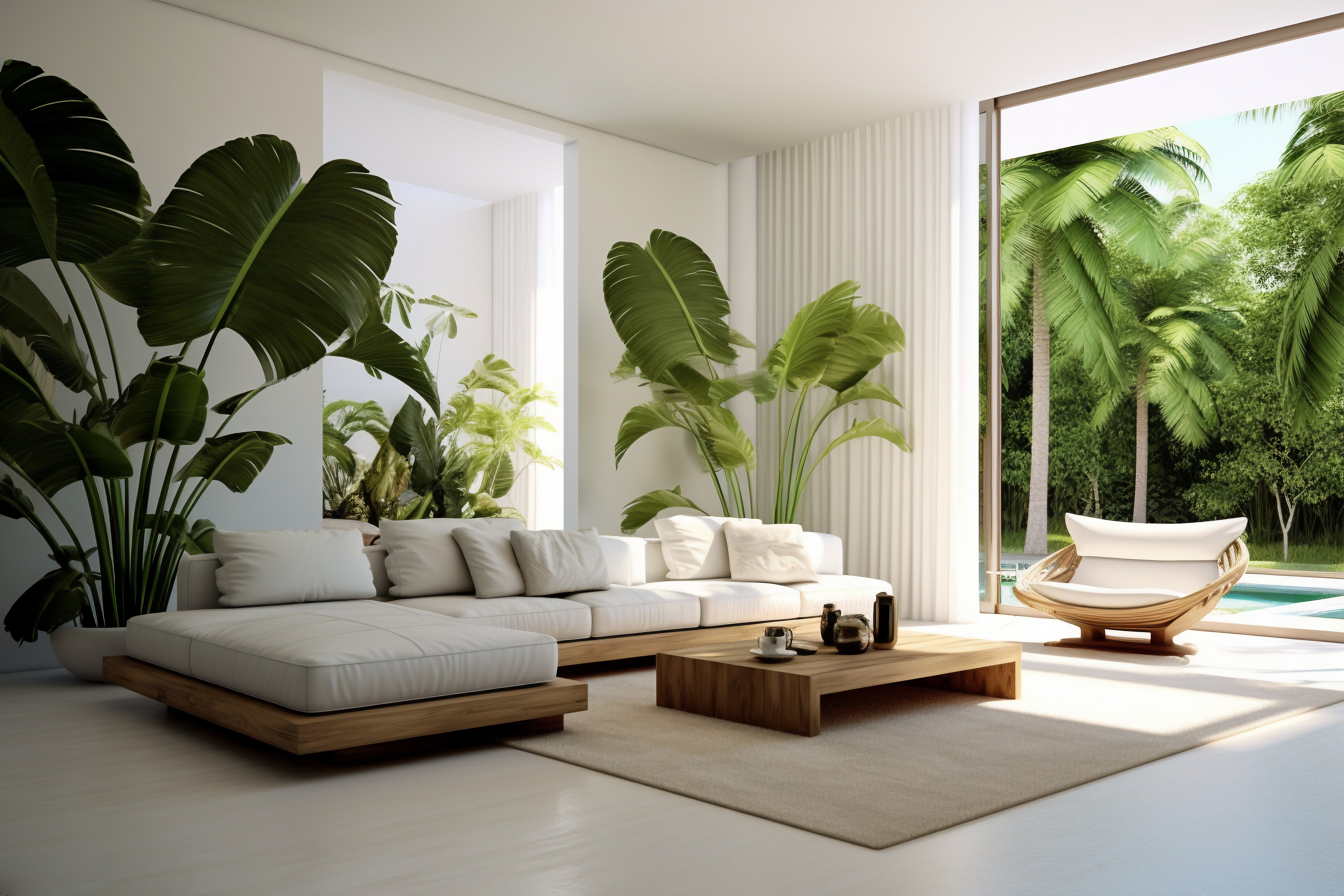
The future home will say more about priorities than preferences. People will expect living spaces to support well-being, reduce resource use, and remain functional over time.
As how we will live in 2026 becomes clearer, homes will increasingly be:
- Energy-efficient by design
- Flexible enough to evolve with changing needs
- Built with materials and systems that reduce long-term waste
Lifestyle choices and the built environment will no longer be separate conversations—they will be deeply connected.
Why These Habits Will Redefine Modern Living
The most important shift ahead is not technological—it’s behavioral. Everyday habits that will redefine how we live are already forming. By 2026, they will shape expectations across housing, consumption, and community life.
The future belongs to lifestyles that balance comfort with responsibility, progress with restraint, and growth with awareness.
Final Thought
Lifestyle trends in 2026 will not be about perfection. They will be about intention. The choices people make every day—often quietly—will determine how resilient, sustainable, and fulfilling modern life becomes.
The future is not arriving all at once. It is being built daily, through habits that last.