.637eac77.png&w=64&q=75)


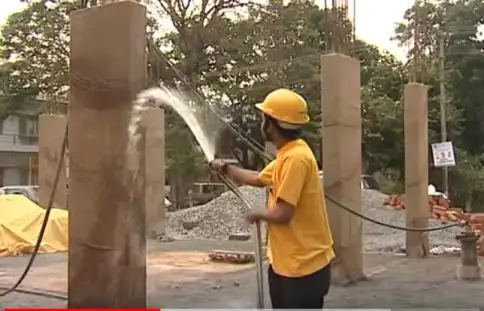
The majority of people associate construction with cement, steel, and design elements. However, an often overlooked element of determining a structure's strength occurs when concrete is cured correctly.
Concrete does not achieve its full strength just after pouring. Rather, concrete gains its strength over time, and this gain in strength is directly related to how well it has been cured. Failure to properly cure concrete may reduce the usable life of the structure regardless of the type of material used.
What is Concrete Curing and How Does it Work?
The process of maintaining quality conditions, such as moisture, temperature, and time, that allow for the completion of cement hydration is referred to as concrete curing. This hydrated cement is what forms the basis of concrete strength.
From a technical perspective, concrete strength continues to develop over the course of 28 days, but most of the initial development occurs within 7 days if there is sufficient moisture present. If moisture evaporates quickly, hydration will slow down resulting in weak and brittle concrete, thus making curing an integral part of the performance of structures.
At KONNBOT, this process is carefully controlled because any mistake made during the process of curing will result in low strength.
Why the Curing Process is Critical for Strength and Durability
The curing process is one of the most important factors contributing to the development of the design strength of concrete. As indicated in the research, improper concrete curing might result in a significant reduction of strength by 30 to 40%. Additionally, curing helps to minimize cracks.
Rapid moisture loss leads to shrinkage, which causes surface cracks that may later turn into leakage issues. Correct concrete curing enhances durability and resistance to weather fluctuations, temperature variations, and wear and tear. At KONNBOT, the emphasis is placed on the proper implementation of this procedure.
Curing Duration and Methods That Make a Real Difference
The curing duration is very important in ensuring that concrete reaches its designed strength. Usually people wait for at least 7 days but if you wait for 10 to 14 days it gets even stronger and the surface is harder. If you are building something important, waiting even longer is a good idea because it works better over time.
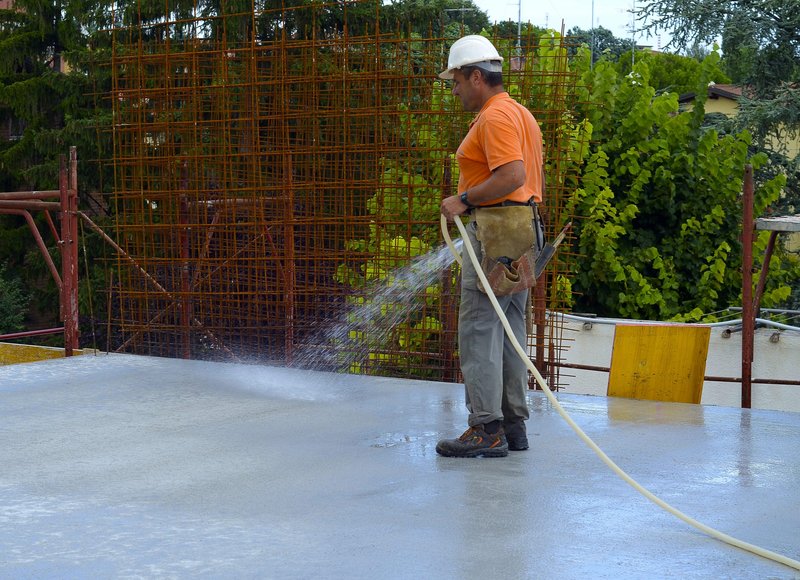
It is also very important in choosing the best curing methods based on site conditions. One common way is to use water either by sprinkling it or ponding is widely because it keeps everything wet all the time. In hot places you can use wet bags like the ones made from jute to keep things moist. If you do not have a lot of water you can use chemicals to cure things.
Using the best curing methods ensures uniform strength and reduces problems that you might not see right away but that can cause trouble later.
Why Proper Curing Saves Cost and Ensures Long-Term Performance
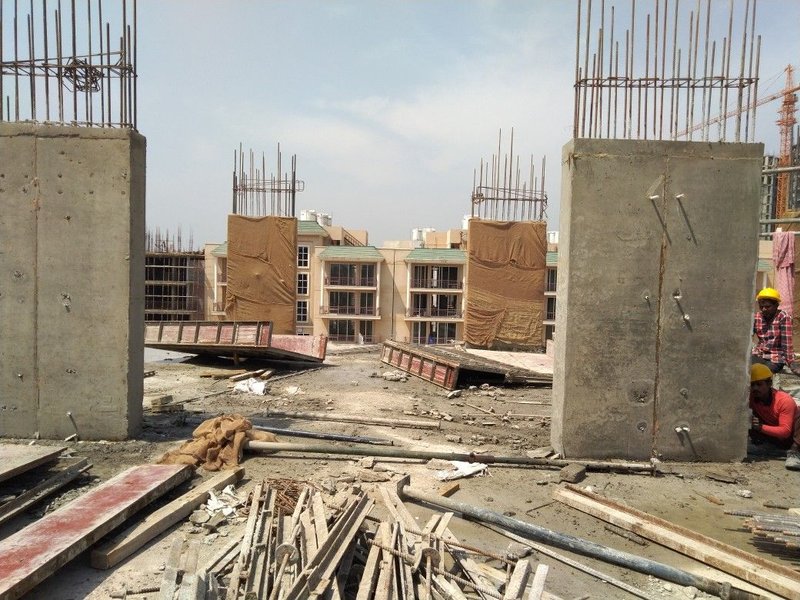
Many construction problems, like cracks, water leaks and surface damage happen because of curing practices. Good curing means you do not need to fix things which saves money.
A well managed curing process ensures that your structure performs as intended for years. At KONNBOT we take this process seriously by choosing the best curing methods and on-site supervision, ensuring that every structure is built for long-term reliability.
In construction the things you do not see away can be very important for the building's future.
Final Thought
Even though you will not see the curing process once constructed, it determines how long and strong your home is going to be. Following the proper curing method/procedure and the best curing methods gives you a strong, safe, durable investment.
KONNBOT performs each procedure, from selecting materials to performing the curing procedure, with great clarity and precision so that your construction lasts into the future.