.637eac77.png&w=64&q=75)


When people plan a home they usually focus on the layout, interiors and materials. One thing that often gets ignored is the drainage system. A good drainage system is really important for a house. If its not done right even a built house can have big problems with its structure and the environment over time.
Water can cause a lot of damage to buildings. Many construction studies have shown that 80 percent of building damage is caused by water getting in or poor water management. Water can weaken the foundation of a house. Cause dampness inside. This can lead to problems that are hard to fix.
A planned drainage system does more than just protect the structure of a house. It also helps create a home by reducing moisture improving the air quality and preventing mold growth. A good drainage system is important as it helps to keep the house safe and healthy. The drainage system is often overlooked, its a critical part of home design.
Why Drainage Planning Matters in Home Construction
Water flows naturally to the point around a property. If there is no system to guide it away from the house water can collect around the structure. Over time this standing water can soak into the ground and affect the building base.
Proper water management makes sure that rainwater and wastewater are directed away efficiently. A good setup includes slopes on the surface pipelines under the ground and channels outside that help control water flow.
Good planning during construction helps avoid repairs later. Fixing drainage problems after a home is built can cost a lot more, than installing a system during construction. It can cost three to five times more to fix drainage problems.
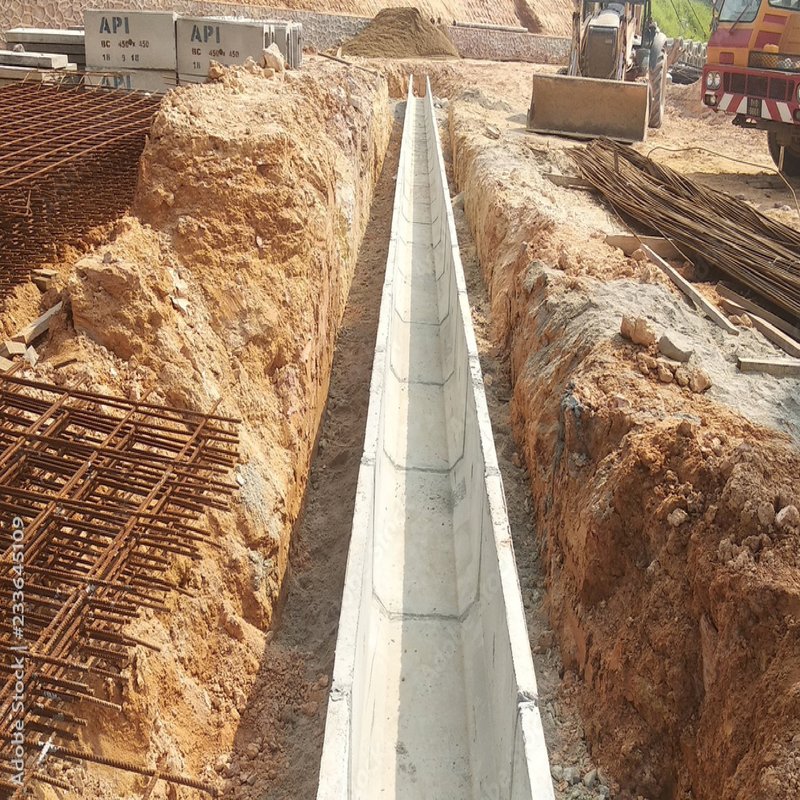
How Poor Drainage Can Damage Your Home’s Foundation
The foundation of a house is really important. If water gets around it the dirt under the house can get all messed up. It can get bigger. Move around or even get weak.
This can cause a lot of problems with the house such as:
- Foundation cracks
- Floors that're not even
- Cracks in the walls
- Water getting into the basement or the floors below the main floor
Some studies about taking care of houses show that more than 60 percent of the time problems with the foundation are because of water collecting near the house.
By implementing effective drainage solutions, homeowners can prevent water from pooling around the structure and reduce the risk of these long-term damages.
Common Drainage Problems Homeowners Face
Many people who own homes do not notice problems with drainage until they have moved into the house. Some of the common problems with drainage include:
- Water Pooling Around the House - When it rains, one of the most frequent complaints from homeowners is that water gathers close to the exterior walls of the house. This typically occurs when the house's surroundings are not properly sloped. Instead of flowing away from the house, water flows toward it.
- Damp Walls and Ceiling Stains - Damp spots on the walls and ceilings can result from water seeping into the materials used to build the house. The paint and the house's structure may be harmed if this continues.
- Bad Odor and Indoor Humidity - Inadequate water management can result in extremely humid indoor air. The house may smell bad due to high humidity making people uncomfortable at home.
- Blocked or Inefficient Pipelines - Wastewater may not be able to exit the house if the pipes are clogged or poorly constructed. This may result in unpleasant sanitation issues or wastewater overflowing back into the house.
These issues highlight how crucial it is to install drainage systems during the building process rather than attempting to address the issues afterwards. It is important to consider drainage when building a home. The best way to prevent drainage issues later on is to install effective drainage solutions during construction.
The Connection Between Drainage and Indoor Air Quality
People often do not think about how important water management is for keeping the inside of a building nice. If the drainage system is not planned well much water can collect around the building and get into the walls, floors or ceilings. This makes it easy for mold and mildew to grow.
The World Health Organization says that buildings with much moisture can make people 30 to 50 percent more likely to have breathing problems because of mold. When there is much moisture in the air it makes the air quality bad, which causes smells, allergies and trouble breathing.
If the drainage is done right when a building is being constructed it helps keep water from the building and stops moisture from getting inside. Homeowners can control how humid it is, inside their house and prevent moisture from building up if they have the drainage system and a well thought out house design.
How Drainage Supports a Healthy Living Environment
Drainage is really important for a place to live. When water builds up it does not just hurt buildings it also makes daily life harder.
Water that stands around homes can bring mosquitoes and other bugs, which can make people sick. In cities if the drainage system is not planned well, dirty water can mix with rainwater that runs off.
By incorporating proper water flow management, homeowners can create a healthy living environment where moisture, pests, and sanitation issues are minimized.
Effective Drainage Solutions for Modern Homes
When we build a house we need to think about how to deal with drainage. We want to make sure water does not hurt the house or the yard around it.
- Surface Grading - The ground around a house should be sloped so water runs away from the house. If the ground slopes a little bit it can keep rainwater from getting too close to the house.
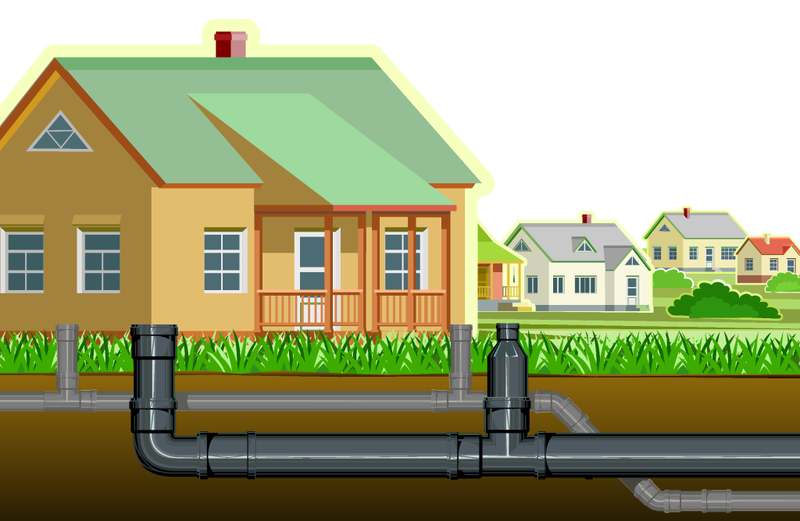
- Underground Drainage Pipelines - We put pipes under the ground to get rid of wastewater. These pipes take the water to where it can be cleaned or to the city sewer.
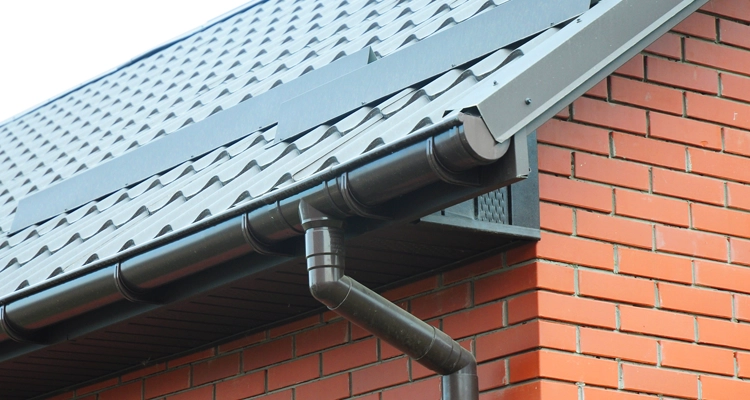
- Rainwater Channels and Gutters - The gutters on the roof catch the rain. Send it away from the house through special pipes. This way the rain does not fall next to the house and provides effective drainage solutions for your home.
- Perimeter Drains - To collect extra water in the ground, we installed drains throughout the house. In order to prevent damage, these drains direct the water away from the house.
A house built with these drainage techniques will last longer and be safer for its occupants. The long-term durability of a house can be improved by using effective drainage solutions like these.
The Role of Drainage in Sustainable Home Design
Sustainable housing is really, about managing water in a way. A lot of homes have systems to collect rainwater and features that help manage water in an eco-friendly way.
These systems help cut down on water waste and also keep the building safe from much moisture. When you plan things out carefully you can make sure that rainwater is stored, used again or sent away safely without damaging the property.
When you think about drainage when you are designing a home it does two things: it keeps the building safe and it helps make the construction process more environmentally friendly and gives effective drainage solutions. Sustainable housing and sustainable housing practices are important to consider when building a home.
Conclusion
A house is supposed to last for a long time but how long it lasts really depends on how it handles water. If it is not drained properly even the strongest houses can have problems with the foundation get damp and make people sick.
When people build a house they should think about how water will be drained and plan for it. This way people who live in the house will not have to spend a lot of money to fix problems on.
A good drainage system does a lot of things. It protects the house, makes the air inside stops problems caused by moisture and helps keep everyone in the house healthy.
If people think about drainage when they are building a house they will have a house that's stronger, safer and better for the environment, in the long run. Investing in a drainage system now means that the house will be a great place to live for a long time.